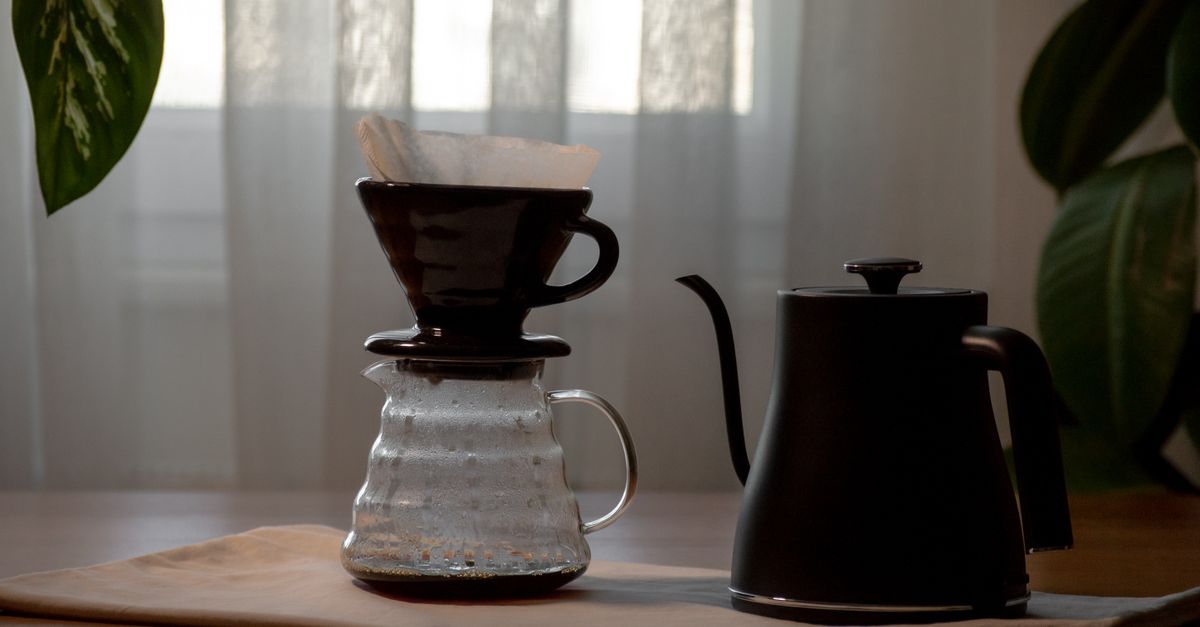
A Practical Checklist for Choosing a Sustainable Coffee Maker
The scent of freshly brewed coffee is one of life’s simple pleasures, a ritual that anchors my mornings. For years, I cycled through coffee makers with little thought beyond price and features, only to find myself replacing them every two to three years. Each discarded machine was another piece of plastic in a landfill, another short-lived convenience, another silent drain on my budget and my conscience. When I decided to align my consumption habits with my values, my coffee ritual became a prime target. I wanted a machine that produced excellent coffee, yes, but also one that honored the planet and my wallet over the long term. This isn’t about buying the most expensive ‘eco-friendly’ model; it’s about making informed choices that genuinely reduce your environmental footprint and save you money by lasting longer and minimizing waste.
What I discovered is that true sustainability in a coffee maker goes far beyond a single “eco” sticker. It’s a combination of materials, repairability, energy consumption, and long-term waste reduction that most marketing campaigns barely touch. The mistake I see most often is people falling for surface-level greenwashing without digging into the details that truly matter. What changed everything for me was developing a systematic way to evaluate options, moving beyond marketing hype to assess real impact.
Key Takeaways
- Prioritize durable, repairable materials like stainless steel and glass over plastic to extend lifespan and reduce waste.
- Choose coffee makers with modular designs and readily available replacement parts to facilitate repairs and avoid premature disposal.
- Evaluate energy efficiency by looking for auto-shutoff features, programmable timers, and certifications that reduce daily power consumption.
- Minimize consumable waste by opting for machines compatible with reusable filters and eliminating pods, or select certified compostable options.
- Consider the entire lifecycle of the product, including its manufacturing footprint and end-of-life recyclability, for a holistic sustainable choice.
Prioritize Materials for Longevity and Waste Reduction
When I first started looking for a sustainable coffee maker, my initial thought was simply to avoid plastic. While that’s a good starting point, it’s far too simplistic. The real game-changer is understanding which materials offer both durability and minimal environmental impact over the long haul. In my experience, focusing on stainless steel, glass, and high-quality ceramics as primary construction materials is paramount.
Stainless steel, for example, is incredibly durable and resistant to corrosion. Unlike plastic, it doesn’t degrade or leach chemicals into your coffee over time. I once had a plastic carafe crack after a minor bump, rendering an otherwise functional machine useless. A stainless steel thermal carafe, in contrast, can withstand years of daily use and drops, keeping coffee hot for hours without a warming plate (which we’ll get to later). This significantly extends the machine’s functional life. Look for models where the water reservoir, brew basket, and even the heating elements are made primarily of stainless steel or borosilicate glass. Borosilicate glass, often used for carafes, is more resistant to thermal shock than regular glass, meaning it’s less likely to crack when exposed to sudden temperature changes.
Another aspect often overlooked is the absence of internal plastic tubing or components that come into contact with hot water. Many seemingly stainless steel machines still use plastic on the inside. This not only introduces potential microplastic concerns but also often reduces the overall lifespan of the machine as these internal plastic parts are more prone to wear, brittleness, and leakage over time. What changed everything for me was specifically searching for ‘plastic-free water path’ or ‘all-glass/stainless steel interior’ features. These models are typically more expensive upfront, but the investment pays off in both durability and peace of mind.
Assess Repairability and Availability of Replacement Parts
One of the most significant yet overlooked aspects of a truly sustainable coffee maker is its repairability. A machine built to last isn’t sustainable if a single component failure renders it irreparable, forcing you to buy an entirely new unit. This has been a huge frustration for me in the past. I’ve had perfectly good machines fail because a specific circuit board or heating element couldn’t be replaced.
When evaluating a coffee maker, think about its modularity. Can individual components be easily disassembled and replaced? The mistake I see most often is people buying sealed units where everything is glued or fused together. What changed everything for me was actively researching brands that offer schematics, repair guides, or readily available spare parts directly from their website or through authorized distributors. Brands that truly commit to sustainability often highlight their repair policies. For instance, some premium brands offer a 5-year warranty on their heating elements or provide detailed user manuals that include troubleshooting steps and parts diagrams. This transparency is a strong indicator of a brand’s commitment to longevity.
Consider the cost and ease of replacing common wear-and-tear items. Brew baskets, carafes, filter holders, and even some gaskets or seals are typically the first components to show signs of age. If these are proprietary, expensive, or hard to find, your sustainable choice quickly becomes less so. On the other hand, if a company offers a standard-sized glass carafe that you can easily buy for $20-$30, that’s a much better long-term proposition than a custom-fit carafe that costs half the price of a new machine. Before committing, I now take a few minutes to search online for replacement parts for the specific model I’m considering. A quick search for ”[coffee maker model] replacement parts” can reveal a lot about a brand’s dedication to supporting their products’ longevity.
Evaluate Energy Consumption and Efficiency Features
While the upfront materials are crucial, the daily operational energy consumption of your coffee maker also significantly impacts its sustainability footprint. It’s a subtle drain that most people don’t consider, but over years, it adds up to a surprising amount on your energy bill and in carbon emissions.
The most important feature to look for here is an automatic shut-off mechanism. In my experience, this is non-negotiable. Many older or cheaper models keep a warming plate on indefinitely, needlessly consuming electricity. A standard warming plate can draw between 50 and 100 watts. If it runs for just an extra two hours a day, that’s 36.5 to 73 kWh annually, costing you real money. Look for machines that automatically power down after a set period, typically 30 minutes to 2 hours. Some advanced models even allow you to customize this shut-off time, which is a bonus for those who like to sip their coffee slowly throughout the morning.
Another valuable feature for energy efficiency is a programmable timer. This allows you to set your coffee to brew just as you wake up, eliminating the need to leave the machine idling or using an always-on warming plate. It ensures fresh coffee at precisely the moment you need it, without wasted energy. This might seem like a convenience feature, but it has a direct impact on how much electricity your machine consumes daily.
Beyond these features, look for energy efficiency certifications like Energy Star, if available for coffee makers in your region. While less common for simple drip machines than for larger appliances, some higher-end models may boast specific energy-saving modes or low standby power consumption. When comparing models, check the wattage rating. A machine that brews quickly and then shuts off is often more efficient than one with lower wattage that takes longer to brew and then maintains a warming plate for extended periods. It’s the total energy over the entire operational cycle that matters, not just the peak power draw.
Minimize Consumable Waste and Opt for Reusable Components
The environmental impact of a coffee maker extends beyond the machine itself to the daily consumables it requires. This is where many people, myself included initially, overlook significant opportunities for sustainability. The mistake I see most often is getting trapped in a cycle of single-use filters or coffee pods. What changed everything for me was consciously choosing machines that support reusable components and actively avoiding systems designed for disposables.
First and foremost, choose a coffee maker that is compatible with reusable coffee filters. These are typically made of gold-tone mesh or stainless steel. A reusable filter eliminates the need for paper filters, which, even if compostable, still represent a continuous waste stream. Over a year, if you brew daily, that’s 365 paper filters saved from landfills or composting bins. This simple switch alone makes a profound difference in your daily waste output. Most drip coffee makers can easily accommodate a reusable filter, but it’s worth double-checking for compatibility before purchasing.
Next, actively avoid single-serve pod machines unless you are committed to using only certified compostable or truly reusable pods. The convenience of coffee pods comes at an immense environmental cost, with billions of plastic and aluminum pods accumulating in landfills globally. Even when marketed as recyclable, the small size and multi-material construction of many pods make them difficult and uneconomical to recycle in most municipal facilities. If the convenience of single-serve is a non-negotiable for your lifestyle, then rigorously research machines that accept fully compostable pods (and ensure you have access to industrial composting facilities, as home composting often isn’t sufficient for these) or, even better, choose systems that allow you to fill your own reusable, refillable pods with your preferred ground coffee. In my experience, the latter offers the best balance of convenience and sustainability for single-serve lovers.
Finally, consider the coffee itself. Buying whole beans and grinding them at home not only yields a fresher, better-tasting cup but also allows you to buy in bulk, reducing packaging waste. Many sustainable coffee makers are designed to work optimally with freshly ground coffee, further enhancing your sustainable ritual.
Consider the Entire Product Lifecycle and Manufacturer Values
True sustainability isn’t just about the product in your kitchen; it’s about its journey from raw materials to end-of-life. This is where the deeper research comes in, moving beyond features to the core values and practices of the manufacturer. In my experience, ignoring this broader picture means missing out on significant aspects of a coffee maker’s environmental impact.
Start by looking into the manufacturing process and supply chain. While difficult for consumers to fully vet, some brands are transparent about their efforts to reduce their carbon footprint in production, source materials responsibly, and ensure ethical labor practices. Do they publish sustainability reports? Are they B Corp certified or members of similar ethical trade organizations? These details, though subtle, indicate a company’s commitment to more than just profit. For instance, some companies might use recycled aluminum or plastic in their non-food-contact components, or they might power their factories with renewable energy. These are often highlighted on their corporate social responsibility pages.
Next, consider packaging. A truly sustainable product shouldn’t arrive encased in excessive plastic and polystyrene foam. Look for brands that utilize recycled cardboard, paper pulp, or other easily recyclable and minimal packaging materials. This might seem like a small detail, but it reflects a holistic approach to waste reduction.
Finally, think about the end-of-life scenario for the machine. While choosing durable, repairable materials helps, every product eventually reaches the end of its functional life. Does the manufacturer offer a take-back program for recycling? Are the components easily separable for proper recycling (e.g., can the metal and plastic parts be easily separated at a recycling facility)? Some manufacturers are beginning to adopt ‘circular economy’ principles, designing products for disassembly and material recovery. While widespread implementation is still a dream, supporting brands that move in this direction helps drive the industry toward a more sustainable future. In my experience, a company that actively addresses end-of-life recycling is typically committed to sustainability throughout its entire product lifecycle.
Frequently Asked Questions
What type of coffee maker is generally considered the most sustainable?
Pour-over or French press coffee makers are often considered the most sustainable due to their simple design, lack of electricity, and reliance on reusable filters. For electric machines, drip coffee makers made with durable materials like stainless steel and glass, and that support reusable filters, are a strong choice. They offer a good balance of convenience and reduced environmental impact compared to pod machines or those with complex electronic components prone to failure.
Are espresso machines sustainable choices?
Espresso machines can be sustainable, but it depends heavily on the model. Manual or semi-automatic machines often have longer lifespans and are more repairable than fully automatic ones. Look for models with metal components (stainless steel, brass) that are built to last. The biggest sustainability factor for espresso machines is often the energy consumption of grinding and brewing, and the waste from coffee pucks. Opt for grinding whole beans and composting the used grounds to reduce your footprint.
How important is the brand’s reputation for sustainability?
Very important. A brand with a strong reputation for sustainability often translates into products that are genuinely designed for longevity, repairability, and ethical manufacturing. Look for companies that publish sustainability reports, are B Corp certified, or actively promote their take-back and recycling programs. This transparency indicates a deeper commitment beyond just marketing.
Does cleaning and maintenance affect a coffee maker’s sustainability?
Absolutely. Regular cleaning and proper maintenance significantly extend the lifespan of your coffee maker, preventing premature breakdowns and the need for replacement. Descaling, cleaning the brew basket, and wiping down surfaces prevent mineral buildup and wear. A well-maintained machine is a sustainable machine because it stays out of the landfill longer.
Can buying refurbished coffee makers be a sustainable option?
Yes, buying refurbished is an excellent sustainable option. It gives a perfectly functional product a second life, reducing waste and the demand for new manufacturing. Just ensure the refurbished product comes with a warranty to guarantee its performance and longevity. Many manufacturers offer certified refurbished programs, which are a safe bet.
Choosing a sustainable coffee maker is a deeper dive than simply picking a pretty design or a low price point. It’s about making an informed investment in a product that will serve you well for years, minimize your daily impact, and align with a broader commitment to mindful consumption. By focusing on durable materials, repairability, energy efficiency, and waste reduction, you can enjoy your daily brew knowing you’ve made a choice that benefits both you and the planet.
Written by Sarah Chen
personal finance and mindful consumption
Having successfully run her own boutique for years, Sarah offers sharp insights into practical financial management.
You Might Also Like
The 20-Degree Rule for Home Heating and Cooling: Why Most Advice Misses the Mark
Discover why the common 20-degree rule for home heating and cooling often fails. Learn the strategic adjustments for real energy savings and comfort.
7 Reasons Your Smart TV Feels More Frustrating Than Fantastic
Smart TVs promise seamless entertainment, but often disappoint. Discover 7 overlooked reasons your TV is frustrating you, and how to fix them.

A Beginner's Guide to Thoughtfully Evaluating Online Reviews for Products
Learn to cut through online review bias and find genuinely useful product insights. Discover common pitfalls and how to spot authentic feedback.